

In the dynamic world of financial markets, forex software trading Trading Uganda is one of the platforms that exemplifies the new wave of Forex software trading innovations. As technology evolves, so do the tools and platforms that traders utilize to navigate the complexities of the Forex market. This article delves into the various aspects that define forex software trading today, exploring the advantages, challenges, and future trends that traders should consider.
Understanding Forex Software Trading
Forex software trading refers to the use of electronic platforms and applications that facilitate the buying and selling of currency pairs in the foreign exchange market. Traditionally, forex trading was limited to phone calls and manual transactions, but the advent of technology has transformed this landscape. Now, traders have access to advanced software that offers real-time data, analytical tools, and automated trading systems. This shift not only enhances efficiency but also opens up trading opportunities for individuals around the globe.
The Evolution of Forex Trading Software
The origins of forex trading software can be traced back to the early 2000s, when brokerages began developing proprietary platforms to attract traders. These platforms were relatively simple, primarily focusing on basic charting tools and order execution capabilities. However, as competition increased and technology advanced, the features of forex trading software expanded significantly.
Today, many platforms come equipped with advanced analytical tools, customizable dashboards, support for algorithmic trading, and integration with third-party applications. Moreover, the growth of mobile trading apps has made it possible for traders to engage with the forex market from anywhere, shifting the paradigm of how and where currency trading takes place.
Key Features of Forex Trading Software
When selecting forex trading software, traders should consider several key features that contribute to an effective trading experience:
- Real-Time Market Data: Access to real-time quotes and market data is essential for making informed trading decisions. The best platforms provide live streaming data and alerts.
- Technical Analysis Tools: Advanced charting capabilities along with indicators and studies help traders analyze market trends and patterns.
- Automated Trading: Many traders benefit from automated trading systems, which can execute trades on their behalf based on pre-defined criteria.
- User-Friendly Interface: A well-designed user interface allows for easier navigation and faster execution of trades.
- Risk Management Features: The ability to set stop-loss orders, take-profit levels, and manage position sizes is crucial for effective risk management.
Benefits of Using Forex Software Trading
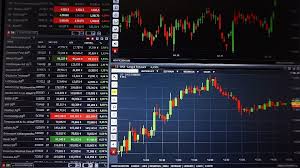
The adoption of forex trading software brings numerous benefits to traders:
- Increased Efficiency: Automated systems can execute trades faster than manual trading. Additionally, real-time data and analytics empower traders to make quick decisions.
- Improved Accuracy: Advanced charting and analytical tools help traders identify trends and make better predictions, thereby increasing the chances of profitability.
- Accessibility: With the rise of mobile trading applications, traders can access the forex market at any time and from any location, democratizing trading.
- Backtesting Capabilities: Traders can test their strategies against historical data, allowing for refinement and improvements before deploying them in live markets.
Challenges in Forex Software Trading
Despite the numerous advantages, there are challenges associated with forex software trading that traders should be aware of:
- Technical Issues: Software malfunctions, connectivity problems, or server outages can lead to missed trades or losses.
- Over-Reliance on Technology: Traders may become too reliant on automated systems, neglecting the importance of market understanding and personal analysis.
- Security Risks: Cybersecurity threats can jeopardize sensitive financial information and trading accounts. Traders must be vigilant and choose platforms with robust security measures.
The Future of Forex Software Trading
The future of forex software trading looks promising, driven by continuous advancements in technology and market dynamics. Here are some trends shaping the future landscape:
- AI and Machine Learning: As artificial intelligence continues to develop, its integration into trading software will enable more sophisticated predictive analytics and automated trading strategies.
- Blockchain Technology: The potential for blockchain technology to enhance transparency and security in forex trading could lead to the creation of decentralized trading platforms.
- Big Data Analytics: The utilization of big data will provide traders with deeper insights into market behavior, improving decision-making processes.
- Enhanced Personalization: As trading software becomes more advanced, platforms will offer personalized experiences based on individual trader profiles, preferences, and behaviors.
Conclusion
The forex trading landscape has changed dramatically with the introduction of sophisticated software that enhances efficiency, accuracy, and accessibility. As traders continue to navigate the complexities of the forex market, understanding the tools at their disposal becomes increasingly crucial. While challenges exist, the future of forex software trading promises further innovations that will shape financial markets and trading practices. By embracing these changes and staying informed, traders can leverage technology to enhance their strategies and achieve their trading goals.