

These funds are then used for charitable causes, such as access to justice services. Trust accounts hold the client’s money, usually in the form of client fees (typically a retainer), settlement money, or court fees. This prevents commingling with your firm’s funds (your operating account) so you don’t purposely or accidentally spend money that isn’t yours. You earn this money upon the completion of billable work, which can occur during the case as an invoiced bill or upon completion of the case as a final invoice. Although Accounting Security you may not have studied accounting/bookkeeping in college, it’s important to understand your firm’s financial big picture to maximize your business profit and ensure compliance. This overview covers the elements that comprise a standard accounting chart, along with practical tips for implementing the chart into your firm.
Income Statement
You’ll see some hot links and the plus new sign, which is where you’ll get to use it for all your transaction work. Click on the accounting tab to get direct access to the chart of accounts. In this scenario, we have assumed you decided to use QuickBooks Online. It is a tremendously powerful accounting software and a fantastic tool for getting the essential metrics that you will need to grow your firm profitably. LawPay houses all of your payment data on one platform so you can quickly see the status of your clients’ accounts. You can also automatically generate, store, and send invoices all on the platform.
Trust Accounting 101 for Law Firms
Your chart of accounts should not only serve your internal reporting needs but also facilitate smooth tax preparation. Many law firms overlook this aspect, leading to complications during tax season. Law firms often deal with multiple matters for various clients simultaneously. Failing to incorporate matter-based accounting into your chart of accounts can lead to confusion and inaccuracies in billing and financial reporting.

Add Your Business Details
It has sections for things like assets, debts, property, income, and costs. This structure is very important for law companies because it need to be able to handle things that are unique to law, like trust accounting and matter-based billing. However, manually creating a chart of accounts can present challenges.

How to Save Taxes When Selling a Business
We know that managing your accounts is like juggling a bag of squirrels—tricky, unpredictable, and downright… Some of Xero’s advanced features, such as multi-currency support or detailed financial reporting, are only available on the higher-priced plans. Set aside time to set up Xero properly from the start, using help articles when you get stuck. If law firm chart of accounts you decide that managing the accounting isn’t for you, hire a professional and get back to doing what you love. In Xero Analytics, the Short-Term Cashflow report provides a snapshot of your business’s cash inflows and outflows over the next 7 or 30 days.
Mastering Productivity: Tips, Tools, and Strategies for Legal Professionals
Law firm assets represent a tangible or intangible item of value that your business owns and receives some form of economic benefit. For example, if you are a personal injury lawyer, your firm’s operating account is something your firm owns (the account itself) and receives economic benefit from (cash). The benefit can be immediate (in the form of straight cash) or potentially built over time (like your firm’s operating account). In the sample chart of accounts for example, the expense accounts are sub-divided into business functions such as research and development, sales and marketing, and general and administrative expenses. We’ve worked with a lot of law firms, and we know that behind every successful law firm is a solid financial foundation. You can’t have a solid financial foundation if you don’t have a tracking mechanism in place and keep it up-to-date.
- The tax implications of this method also allow your firm to pay tax on income once it’s received and in the bank.
- That structure is essential for tracking account balances, producing correct income and balance statements, and maintaining proper documentation for your law firm’s tax deductions.
- The Chart of Accounts is divided into various sections and subsections.
- Accountants typically take the books and records prepared by a bookkeeper and use them to provide business advice, prepare financial statements, and file tax returns.
- If your clients refer clients to other professionals, they may receive referral income.
- Whether it’s billable hours, expenses by case, or cash flow, you can track it all in Xero.
- One of the most common decisions our clients make is choosing between Bench or their CPA’s in-house bookkeeping services.
- While the chart of accounts can be similar across businesses in similar industries, you should create a chart of accounts that is unique to your individual business.
- This functionality will give you indented accounts on your P&L and the option to collapse the more detailed accounts.
There’s an open invoice for $2000 and I want to pay it through the trust. And then the 2nd step we need to do is record a payment of the invoice. LeanLaw’s deep integration with QuickBooks Online means that your law firm accounting software and QuickBooks Online are no longer out of balance. You don’t have to sync because LeanLaw syncs automatically in real time.

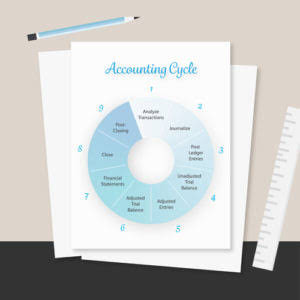
Be sure to check with your local bar association to ensure you’re meeting specific requirements regarding trust accounts and IOLTA. If you plan to use QuickBooks Accounts recording transactions Payable (A/P) for your Trust transactions, you should rename the AP account to “Operating A/P” so you can easily tell it apart from Trust A/P. This account will be used to track all payments and bills that are related to firm operations and for client expenses that are to be paid out by the law firm and consequently then billed to the client. That way, the software’s capabilities align with law firms’ unique accounting challenges. Specifically, your firm needs software that can properly handle retainer funds, from the initial deposit through the transfer of earned funds into the operating account.
- Poor accounting practices, such as struggling to track billable hours or sending out invoices late, can lead to money leakage.
- This guide will provide an overview of law firm bookkeeping, some best practices to follow, mistakes to watch out for, and tools to make the whole process easier.
- When handling these expenses, set up a double sided service item that has both income as well as expense sides pointed to your Client Trust Liability account.
- We do recommend however, that your Advanced Client Cost Account is set up as Other Current Asset account.
- And the transaction records feed into the firm’s balance sheet and income statement.
- Hiring professionals is common for law firms, and it’s an easy route to peace of mind.
Analyzing Your Law Firm’s Financial Needs
A hierarchical structure based on account types is crucial when creating a chart of accounts for a law firm. By categorizing accounts into assets, liabilities, revenue, and expenses, firms can generate accurate financial statements and reports efficiently. This structure enables easy identification and aggregation of data, providing a comprehensive overview of the firm’s financial health.